Opening a medical office is a major milestone for any healthcare professional. Beyond finding the right location and hiring staff, one of the most important, and often underestimated, expenses is furnishing the space. Investing in the right medical office furniture, equipment, and design not only affects the efficiency of your operations but also shapes the overall patient experience.
The cost of furnishing depends heavily on the size of the practice, the type of services offered, and the vision you have for your space. A small clinic setup will look very different from a large multi-specialty practice, and so will the budget required. By understanding what goes into a medical office build-out, you can better anticipate the clinic setup cost and avoid surprises.
Why Furnishing a Medical Office is More Than Aesthetic?
Many new practitioners often think furniture is mainly about looks, but in truth, furnishing a medical office carries a far more significant and functional role beyond appearance. The design of the space influences patient comfort and trust, while also affecting staff workflow and productivity. A thoughtfully furnished office can reduce stress for your team, minimize wait times, and create a positive impression on patients from the moment they walk in.
For instance, investing in ergonomic medical office furniture keeps the staff comfortable during long hours, which directly supports efficiency. Patients, on the other hand, feel more at ease in a well-designed environment with comfortable seating and accessible layouts. Beyond comfort, compliance with hygiene and safety regulations is also a critical part of selecting the right furnishings. Selecting materials that are long-lasting, simple to clean, and resistant to bacteria plays a key role in creating and maintaining a safe and hygienic medical environment.

Factors That Influence the Cost of Furnishing
A small clinic setup may only require a modest investment, while a larger practice with multiple specialties can run into six-figure costs. Several factors contribute to the overall budget.
- Practice Size and Scope: A single exam room requires far fewer resources than a large outpatient clinic with multiple rooms.
- Quality of Furniture and Equipment: Medical-grade furnishings are more costly upfront but save money long-term by lasting longer and meeting compliance standards.
- Medical Office Design: Modern, patient-centered designs with ergonomic features and integrated technology are more expensive than minimal layouts.
- Compliance and Safety Requirements: All medical office supplies and furniture must meet strict sanitation and safety regulations. Features such as anti-microbial fabrics, wipe-clean surfaces, and ergonomic designs are essential, not optional.
Estimating the Clinic Setup Cost
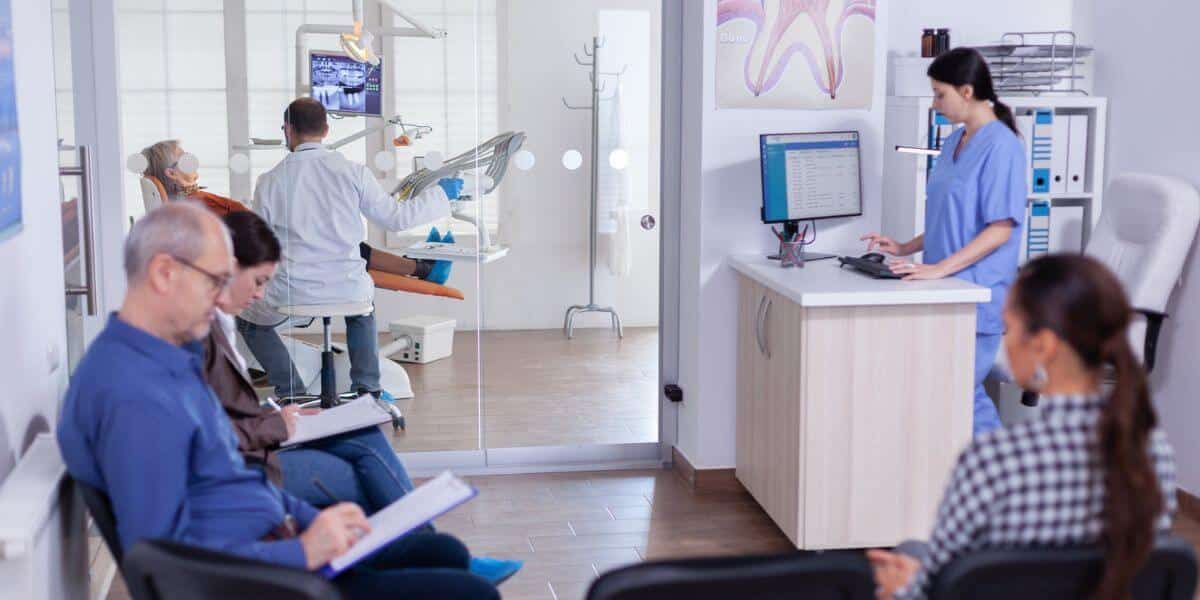
Waiting Area
- First impressions matter since patients spend much of their visit here.
- Higher-quality furniture enhances comfort and complements the overall medical office design.
Exam Rooms
- Typically, the most expensive to furnish.
- Must include essentials like exam tables, stools, cabinets, and diagnostic equipment.
- Specialty practices may need extra items such as dental chairs, dermatology lights, or physical therapy equipment.
Staff Areas
- Often overlooked but vital for efficiency and staff well-being.
- Include workstations, filing systems, break room furniture, and organizational tools.
- Although patients don’t notice them, they play a vital role in keeping operations running smoothly.
Medical Office Supplies
- Everyday items like gloves, syringes, and basic tools add to the overall clinic setup cost.
- Individually inexpensive but accumulate quickly, so they should be included in the initial budget.
Designing a Functional and Comfortable Space
Design is about more than appearance; it directly affects how the clinic operates. For example, arranging exam rooms close to the waiting area reduces walking time for staff and patients. Creating private, soundproof spaces for consultations improves confidentiality.
Many clinics today are moving toward designs that balance professionalism with comfort. Bright lighting, neutral colors, and ergonomic seating all contribute to a calm atmosphere. Simple additions like artwork or greenery can create a warmer atmosphere and help patients feel more comfortable and welcome. While these design elements add to the clinic setup cost, they also pay off by increasing patient satisfaction and retention.
Small Clinic Setup vs. Large Practices
The scale of your practice has the most significant influence on cost. A small clinic setup with just one or two exam rooms can often be furnished for a fraction of the cost of a large facility. Smaller spaces allow for greater flexibility in design, and owners can prioritize quality over quantity by investing in durable furniture for a limited number of rooms.
Larger practices, however, must furnish multiple waiting areas, exam rooms, and staff spaces to efficiently manage patient flow, accommodate diverse medical needs, and provide comfortable, well-organized facilities for both patients and healthcare staff. They may also require specialized furnishings for different medical fields. While the upfront cost is higher, large practices benefit from economies of scale when purchasing furniture and supplies in bulk.
Regardless of the size, the key is balancing cost with functionality. Cutting corners on essentials such as exam tables or ergonomic chairs may save money upfront, but can lead to inefficiencies, discomfort, or even regulatory issues down the line.
Bottom Line
The cost of furnishing a medical office depends on many factors, including practice size, design vision, and the quality of furniture and supplies chosen. While a small clinic setup may be relatively affordable, larger facilities must plan for a more significant setup cost.
Investing wisely in medical office design is about more than appearances; it supports patient trust, staff performance, and long-term success. By planning carefully, balancing cost with quality, and keeping both function and comfort in mind, healthcare professionals can create an office that meets their needs today and adapts to growth in the future.
At Strategic Medical Brokers, we help healthcare professionals navigate the complex process of setting up and growing their practices. No matter if you’re exploring medical practice business brokers for guidance or need a broker’s opinion of value to understand your investment, our expertise guarantees you move forward with confidence.