Moving to a new state as a healthcare professional often brings up questions about keeping your career on track. If you hold a license from another part of the country, you might wonder about the options for bringing it over to New York. This state has specific paths for certain professionals to shift their credentials without starting from scratch. With New York’s bustling medical scene, understanding these rules can make a big difference for doctors, nurses, and others aiming to practice here.
Understanding License Transfer Options in New York
When people talk about transferring a license, they usually mean using endorsement or reciprocity agreements. Endorsement lets you apply based on your existing credentials from another state, as long as they meet New York’s standards. Reciprocity is more direct, where states agree to honor each other’s licenses with minimal hassle. However, New York does not participate in broad reciprocity pacts, such as the Interstate Medical Licensure Compact for physicians, which currently includes 42 states. Instead, the state relies on endorsement for most cases.
This approach ensures that incoming professionals align with local rules that prioritize patient safety and high standards. For instance, the healthcare license application process here involves thorough checks, but it opens doors for qualified individuals. Professionals from fields like medicine and nursing often find this path workable, though it requires preparation.
1. Physician Licenses and Endorsement Pathways
For doctors, New York offers licensure by endorsement if you hold an active license from another U.S. state or territory. You need at least 2 years of professional experience after obtaining your original license, and your education and exams must meet the state’s requirements. The United States Medical Licensing Examination (USMLE) or a similar test is typically accepted if it was comparable at the time.
To start, you’ll submit details through the New York State Education Department’s Office of the Professions. This includes verifying your background, education, and practice history. The medical license requirements in New York emphasize comprehensive documentation, including transcripts and proof of postgraduate training.
If your original license was issued outside the U.S., the process differs slightly, but endorsement is still possible with additional steps, such as ECFMG certification. Always check for updates, as medical facility regulations in New York prioritize rigorous vetting to maintain quality care.
2. Nursing Licenses: Endorsement for RNs and LPNs
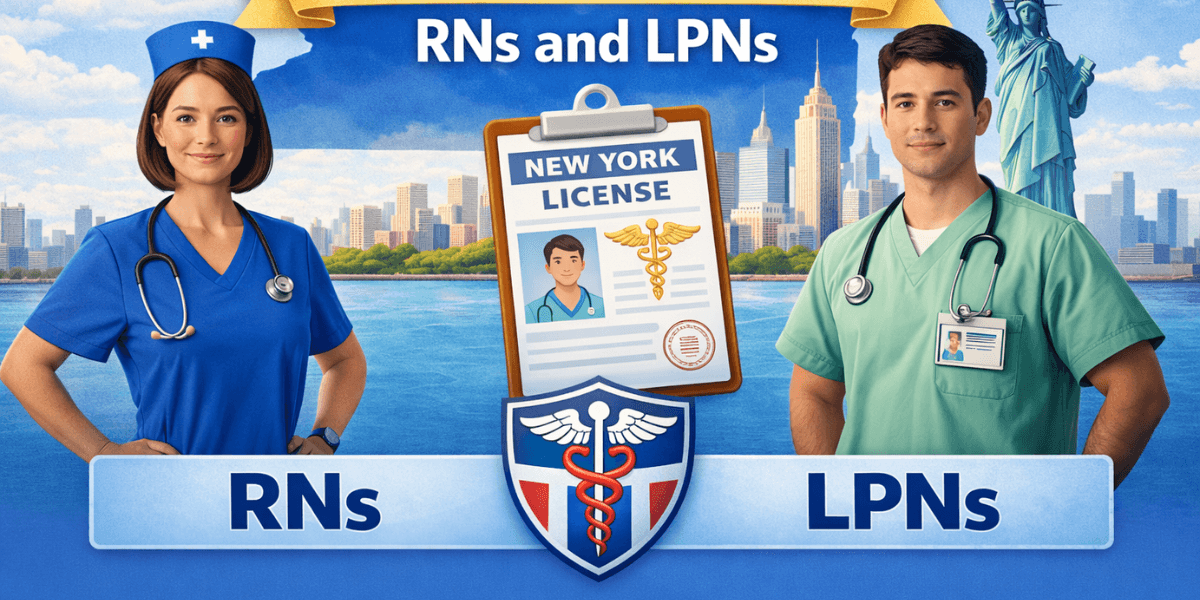
Nurses have a solid option for transfer, too. New York provides licensure by endorsement for registered nurses (RNs) and licensed practical nurses (LPNs) who are credentialed elsewhere in the U.S. You must show proof of passing the NCLEX exam or an equivalent, along with your education transcripts.
The state is not part of the Nurse Licensure Compact, which allows multi-state practice in over 40 jurisdictions. So, you’ll apply individually via the New York State Medical License Application Portal. This involves fees and a review that can take several weeks.
Recent stats from the Office of the Professions for License Statistics for Nurse Practitioners show New York licensed over 2,442 nurse practitioners in January 2026, many through endorsement, as the workforce expands to meet urban and rural needs.
For advanced roles like nurse practitioners (NPs), endorsement is available if you hold certification in a specialty area. The medical license verification in the New York State ensures your out-of-state status is active and in good standing, preventing any delays.
3. Other Healthcare Professions Eligible for Transfer
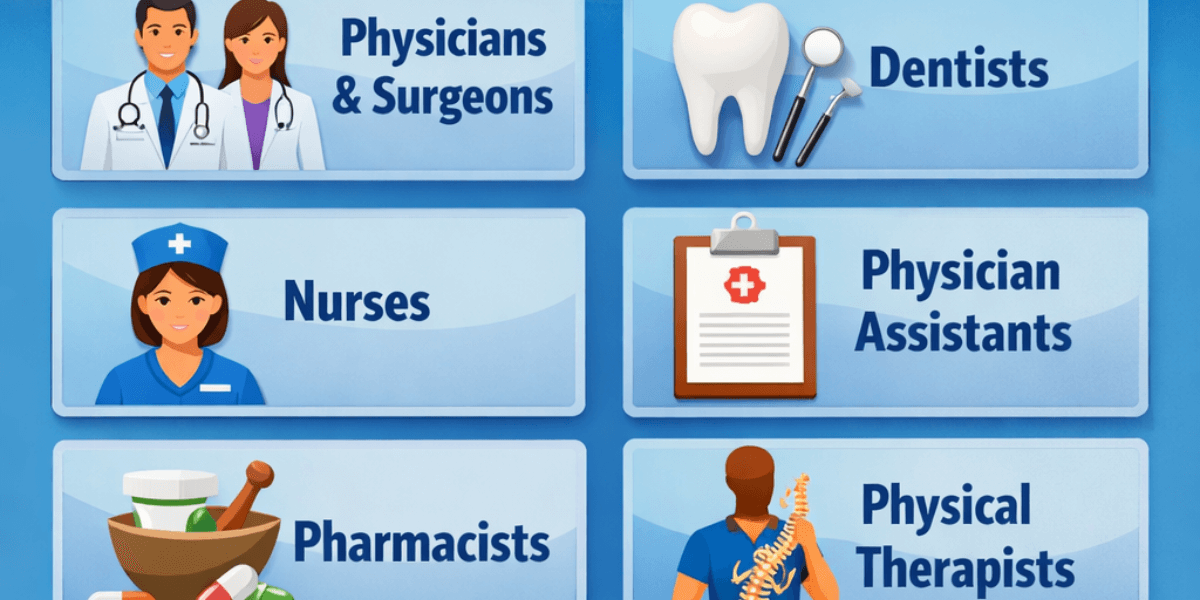
Beyond physicians and nurses, several allied roles qualify for endorsement. Physician assistants (PAs) can transfer if licensed elsewhere, provided they meet requirements including national certification and supervised experience. Emergency medical services (EMS) providers, such as EMTs and paramedics, benefit from reciprocity if they are nationally registered with the National Registry of Emergency Medical Technicians.
Dentists, pharmacists, and physical therapists also have paths, though each follows profession-specific rules under the Office of the Professions. For example, pharmacists need to verify the transfer of their NABP score. These options help fill care gaps, especially in underserved areas where healthcare license application volumes spike.
Keep in mind that medical facility regulations apply across the board, requiring compliance with state health codes once licensed.
Navigating the Application Process
The process of applying for a New York State medical license starts with careful preparation to avoid unnecessary delays. Gather your essential paperwork in advance, submit everything accurately, and remain patient throughout the review stages.
Here are the key steps to follow:
- Collect required documents early: Official transcripts from your educational institutions, verification of your current and prior licenses from other states (often through Nursys for nurses or direct board requests for physicians), and proof of passing relevant exams like USMLE or NCLEX.
- Complete background checks: Many applicants need fingerprint-based criminal history reviews; arrange them promptly, as results can take weeks.
- Submit the online application: Use the New York State Education Department’s user-friendly portal to file Form 1 (Application for Licensure) along with the required fee.
- Pay the fees upfront: Expect around $735 for physicians (covering the application and initial three-year registration), or $143 for registered nurses (including first registration); these amounts are non-refundable in most cases.
- Track your progress regularly: Rely on the New York State medical license verification tool available on the department’s website to monitor status updates and respond to any requests for additional information.
- Avoid common mistakes: Double-check for incomplete sections, mismatched exam scores, or missing verifications, as these issues frequently slow down reviews and extend timelines.
This thorough approach ensures that only qualified professionals enter the field, supporting quality care across New York’s diverse communities. If you are seeking a listing of medical practices for sale in New York, Strategic Medical Brokers represents confidential, vetted options across the state. Our team matches your specialty, financial goals, and preferred location with the ideal opportunity, ensuring a smooth acquisition.

Why Physicians Build Long-Term Careers in New York
According to David Armstrong, Project Director at the Center for Health Workforce Studies, the upward trend in physicians choosing to remain in New York after their training indicates that more are viewing the state’s healthcare environment as a place for lasting professional success.
For license transfer applicants, this trend suggests New York offers reliable professional continuity, supportive practice infrastructure, and long-range career security within its regulated healthcare framework.